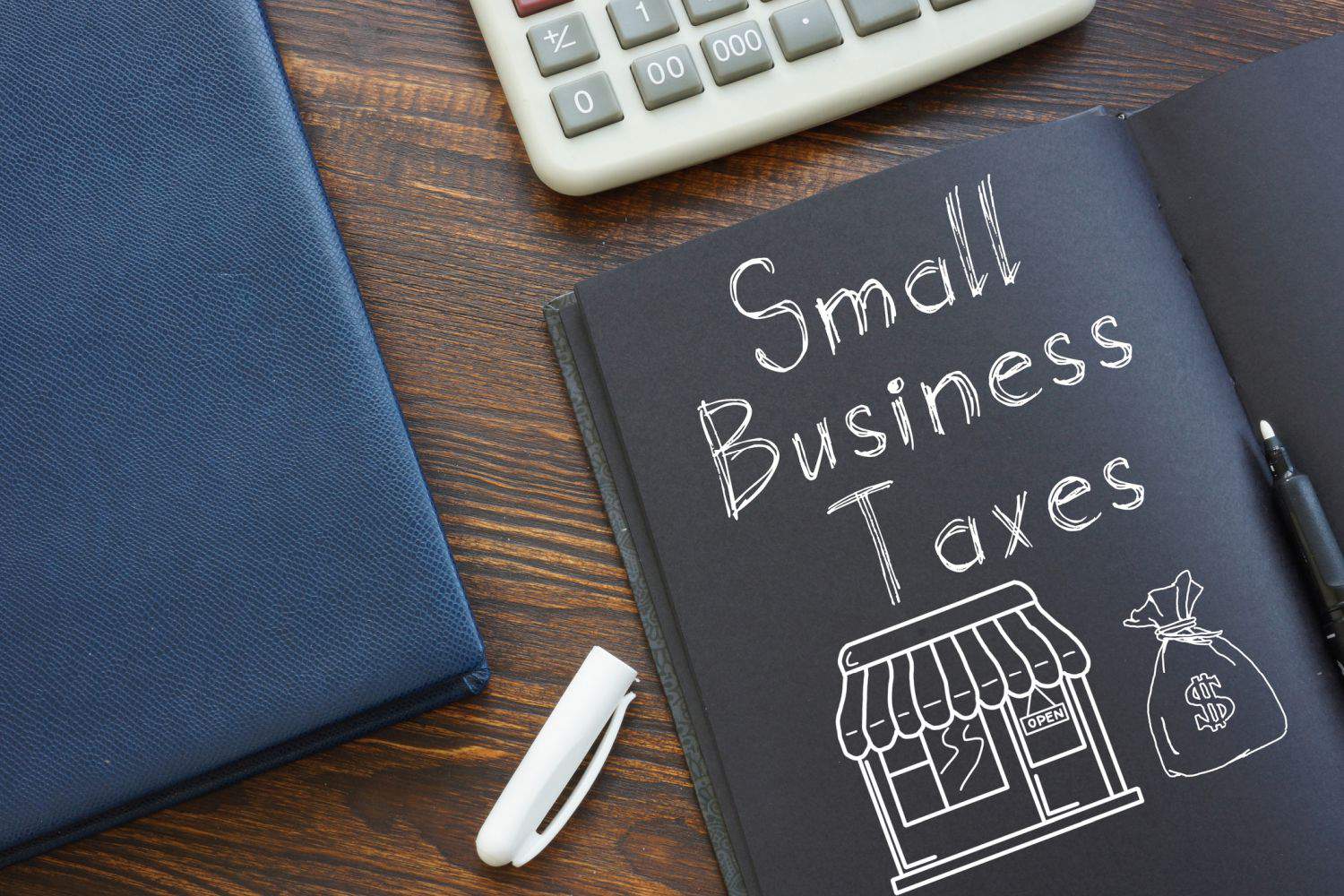
For Small and Medium Enterprises (SMEs), taxes are often viewed as a complex barrier to growth. However, in the modern business landscape, professional tax management is the bridge that transforms a local shop into a scalable enterprise.
By utilizing simplified tax regimes, SMEs can spend less time on paperwork and more time on innovation.
The Benefits of Specialized SME Tax Schemes
Many jurisdictions offer a “Simplified Regime” or “Final Tax” for businesses under a certain revenue threshold. This system is designed to reduce the administrative burden on entrepreneurs.
Key advantages of these schemes include:
-
Simplified Calculation: Instead of complex corporate income tax formulas, taxes are often calculated as a small, flat percentage of gross turnover.
-
Streamlined Reporting: Reduced requirements for financial auditing, making it easier for business owners to manage their own filings.
-
Tax-Free Thresholds: Many countries provide a “safety net” where SMEs do not pay income tax until their annual revenue exceeds a specific limit, allowing early-stage startups to reinvest their profits.
Critical Steps for SME Compliance Excellence
Even with a simplified system, basic financial discipline is mandatory to avoid future legal hurdles.
1. Validating Business Categorization
Ensure your business is correctly registered under the SME category. Misclassification can lead to being taxed under the standard corporate rate, which is often much higher and requires more complex bookkeeping.
2. The “Gross vs. Net” Trap
In a flat-rate tax system, you pay based on your total sales (gross), not your profit (net). This means even if your business is running at a loss in a particular month, the tax obligation remains. Understanding this is vital for maintaining a healthy cash flow.
3. Transition Planning
Simplified tax schemes often have an “expiration date” or a revenue cap. Once your business grows beyond these limits, you will be required to switch to the standard corporate tax system. Smart SMEs plan for this transition at least a year in advance by gradually improving their accounting standards.
Entrepreneur Tip: Proper tax records are often a prerequisite for securing business loans from banks or attracting angel investors. Think of compliance as a “trust signal” that proves your business is managed professionally.
Moving Toward Digital Bookkeeping
The era of manual ledgers is ending. SMEs that adopt simple, cloud-based accounting apps find that tax season becomes a non-event. These tools automatically track your turnover and can often generate the necessary tax reports with a single click, ensuring accuracy and peace of mind.
Conclusion
Tax compliance should not be a burden that keeps you up at night. By leveraging SME-specific tax benefits and maintaining basic financial order, you turn a legal obligation into a competitive advantage that paves the way for institutional growth.