
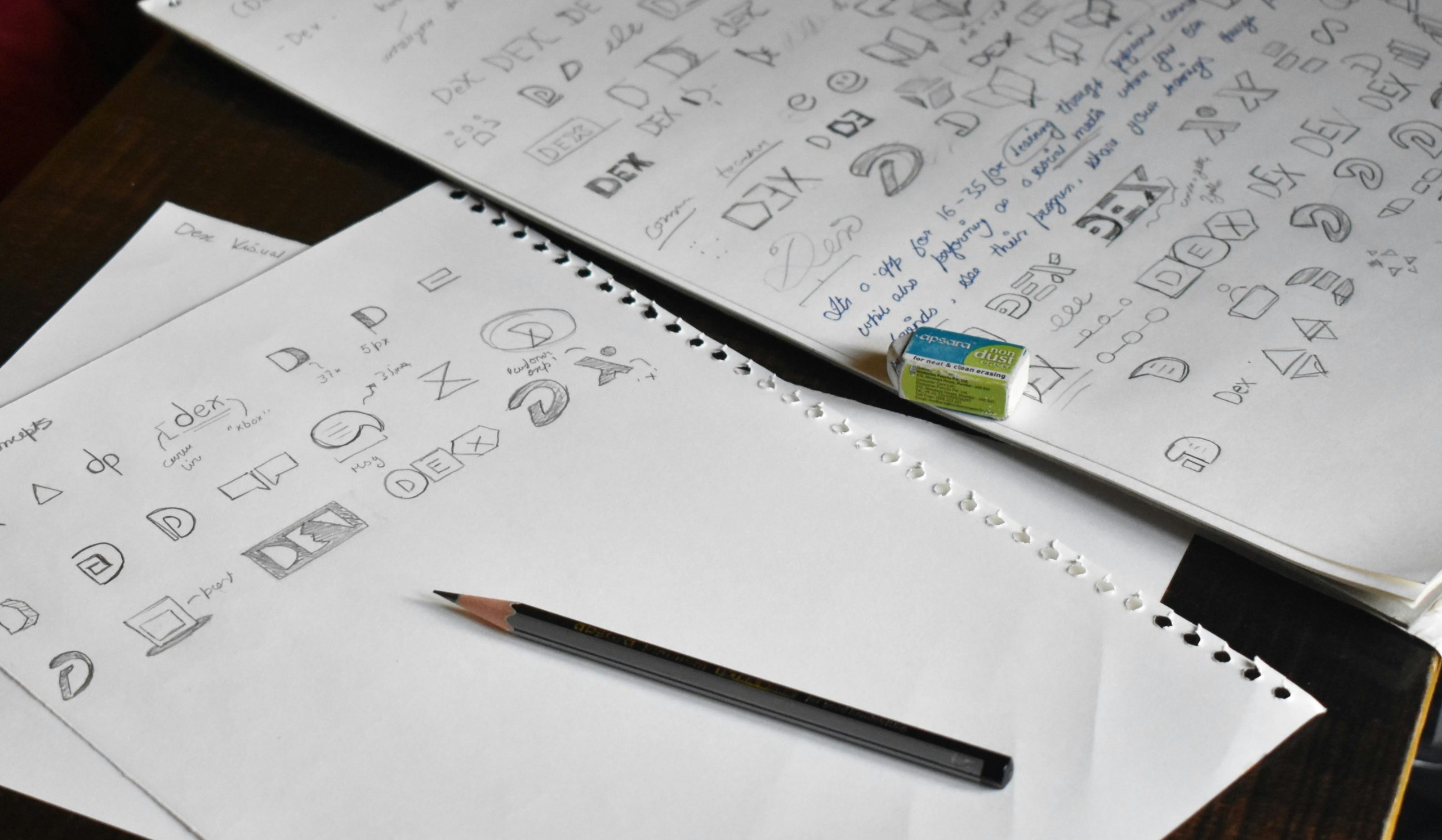
Many founders believe launching a brand starts and ends with hiring a designer for a clever symbol. However, understanding brand identity vs logo is the real turning point between looking like a hobby and looking like an industry leader. A logo is simply a signature, whereas a brand identity is the entire personality people experience.
At Tictacode Studio, we work with ambitious brands that outgrow their initial quick-fix logos. When your visuals lack structure, customers feel confused rather than confident. Below is why a standalone mark falls short—and how to build a cohesive system that actually works.
1. Understanding the Brand Identity vs Logo Difference
To build a lasting company, you must separate the mark from the ecosystem. Your logo identifies who you are in a split second. Conversely, your visual identity dictates how your audience feels across every single touchpoint, from your website to your packaging.
2. Why Relying Only on a Logo Hurts Growth
A great symbol cannot save an inconsistent customer experience. In fact, relying strictly on a standalone logo creates several hidden bottlenecks as your business scales:
-
First, visual inconsistency across platforms: Without defined rules, your Instagram posts, pitch decks, and website end up looking like completely different companies.
-
Second, weak brand recall: Customers rarely remember a small icon alone; instead, they recognize signature colors, distinctive fonts, and consistent layouts.
-
Finally, lower perceived value: High-ticket clients expect polish and intentionality before trusting you with their budget.
3. Five Core Pillars of a Complete Brand Identity
When comparing brand identity vs logo assets, a complete identity system brings five essential elements together into one unified playbook:
-
A versatile logo suite: Primary marks, secondary badges, and favicons built to stay legible on both giant billboards and tiny phone screens.
-
Strategic color psychology: Primary and accent palettes chosen to trigger the right emotional response and ensure accessible contrast.
-
Intentional typography pairings: Specific heading and body fonts that make your messaging effortless to scan and instantly recognizable.
-
Art direction and imagery style: Clear guidelines for photography, icons, or custom illustrations so every visual feels cohesive.
-
Brand voice and messaging tone: Consistent language that communicates clearly whether you are writing a headline or replying to an email.
4. How a Unified System Simplifies Marketing
Surprisingly, investing in full Logo & Identity Design actually saves your team time every week. Instead of guessing which font or shade of green to use for a new campaign, your team simply follows an established visual system. As a result, every launch moves faster and reinforces brand trust.
Build a Brand People Remember
Ultimately, the brand identity vs logo debate comes down to long-term intention. A logo opens the door, while a complete brand identity convinces people to stay, trust, and buy.
Ready to move beyond a basic mark and craft a visual system built for growth? Start a Project with Tictacode Studio today. Let us help you communicate what makes your brand meaningful, clearly and memorably.